Dreaming of moving to Canada but finding Express Entry increasingly competitive?
There is another pathway that many skilled workers overlook.
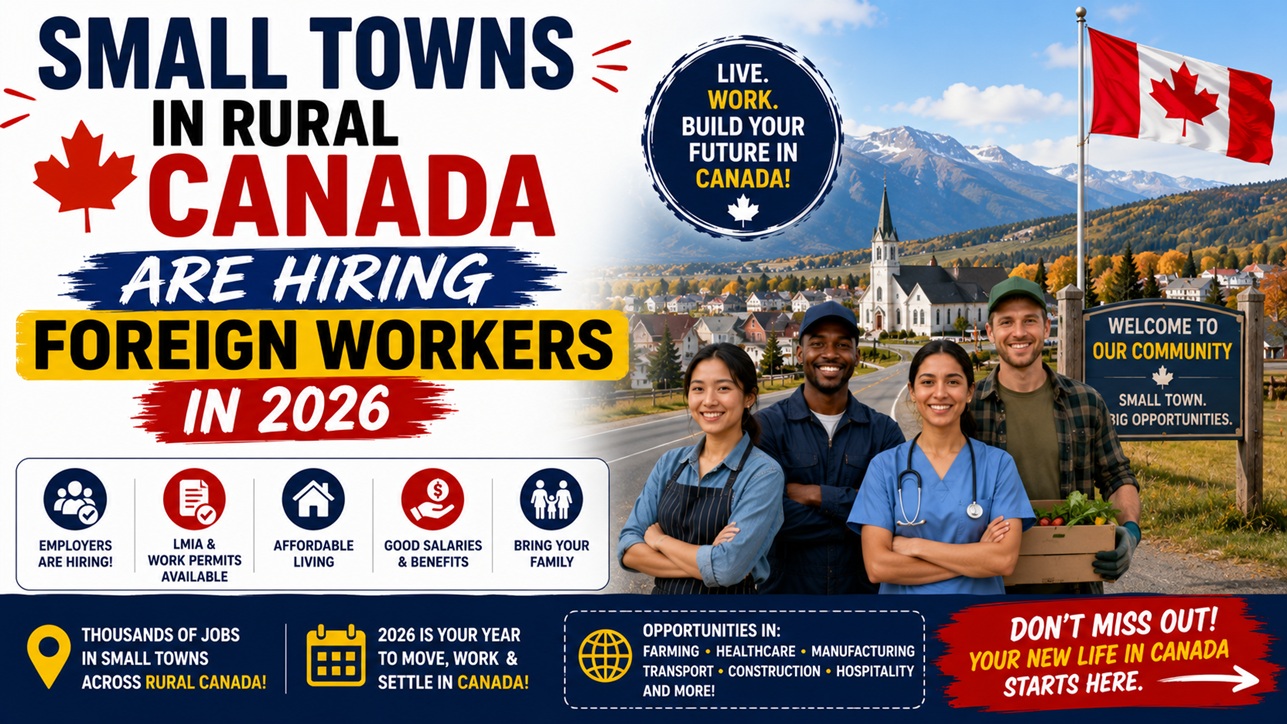
Across Canada, small rural communities are actively recruiting foreign workers to fill labour shortages in healthcare, skilled trades, manufacturing, transportation, hospitality, agriculture, and many other sectors. Through the Rural Community Immigration Pilot (RCIP), eligible foreign workers can secure a job offer from a designated employer and apply for Canadian permanent residence (PR).
If you’re looking for a practical way to live and work in Canada while building a future for your family, this guide explains everything you need to know.
What Is the Rural Community Immigration Pilot (RCIP)?
The Rural Community Immigration Pilot (RCIP) is a federal immigration program designed to help smaller Canadian communities attract and retain skilled foreign workers.
Unlike immigration programs focused on major cities, RCIP supports employers in rural communities that cannot fill vacancies locally. Eligible candidates who receive a qualifying job offer and a community recommendation can apply for permanent residence.
Why Are Rural Communities Hiring?
Many rural regions face challenges such as:
To address these issues, employers are recruiting qualified international workers who are willing to live and work in smaller communities.
Participating Rural Communities
As of 2026, the RCIP includes 14 participating communities across Canada, including:
Each community designates employers that are authorized to hire foreign workers under the program.
In-Demand Jobs
Demand varies by community, but common occupations include:
Healthcare
Skilled Trades
Manufacturing
Transportation
Hospitality
Agriculture
Always check each participating community’s designated employer list because available occupations differ by location.
How the PR Pathway Works
The process is employer-driven and generally follows these steps:
Step 1: Find a Designated Employer
Apply only to employers approved by the participating RCIP community.
Step 2: Receive a Job Offer
If selected, you’ll receive an eligible full-time job offer.
Step 3: Obtain a Community Recommendation
The community reviews your application and may issue a recommendation if you meet local requirements.
Step 4: Apply for Permanent Residence
You submit your PR application to Immigration, Refugees and Citizenship Canada (IRCC).
Step 5: Optional Work Permit
After submitting a complete PR application under RCIP, eligible applicants may qualify for a 2-year employer-specific work permit while waiting for a PR decision.
Can Your Family Come With You?
In many cases, eligible applicants can include:
Depending on the immigration program and approvals received, family members may be able to accompany you, and spouses may qualify for work authorization under applicable immigration rules.
Basic Eligibility Requirements
Although requirements vary by community, applicants generally need:
Always verify the latest requirements before applying.
Advantages of Rural Immigration
Many newcomers choose rural communities because they offer:
While every community is different, many offer strong settlement support to help newcomers integrate successfully.
Where to Find RCIP Jobs
Start your search with:
Avoid paying anyone who promises guaranteed jobs or guaranteed permanent residence.
Official Resources
Immigration, Refugees and Citizenship Canada (RCIP)
North Bay RCIP
Thunder Bay RCIP
https://gotothunderbay.ca/rural-community-immigration-pilot-rcip/
Moose Jaw RCIP
Frequently Asked Questions
Do I need Express Entry?
Not necessarily. RCIP is a separate immigration pathway with its own eligibility requirements.
Can I apply without a job offer?
No. A qualifying job offer from a designated employer is a key requirement for the Rural Community Immigration Pilot.
Is RCIP a pathway to permanent residence?
Yes. Eligible candidates who meet all federal and community requirements can apply for Canadian permanent residence through the program.
Can I work while waiting for PR?
Eligible applicants who have submitted a complete RCIP permanent residence application may qualify for a two-year employer-specific work permit while their PR application is processed.
Final Thoughts
Canada’s Rural Community Immigration Pilot offers an opportunity for skilled foreign workers who are willing to build their future in smaller communities. By securing a job offer from a designated employer and meeting the program requirements, eligible applicants can pursue permanent residence while helping rural communities address labour shortages.
The best approach is to focus on official employer lists, prepare a Canadian-style résumé, improve your language scores if needed, and monitor participating community websites for new opportunities throughout the year.