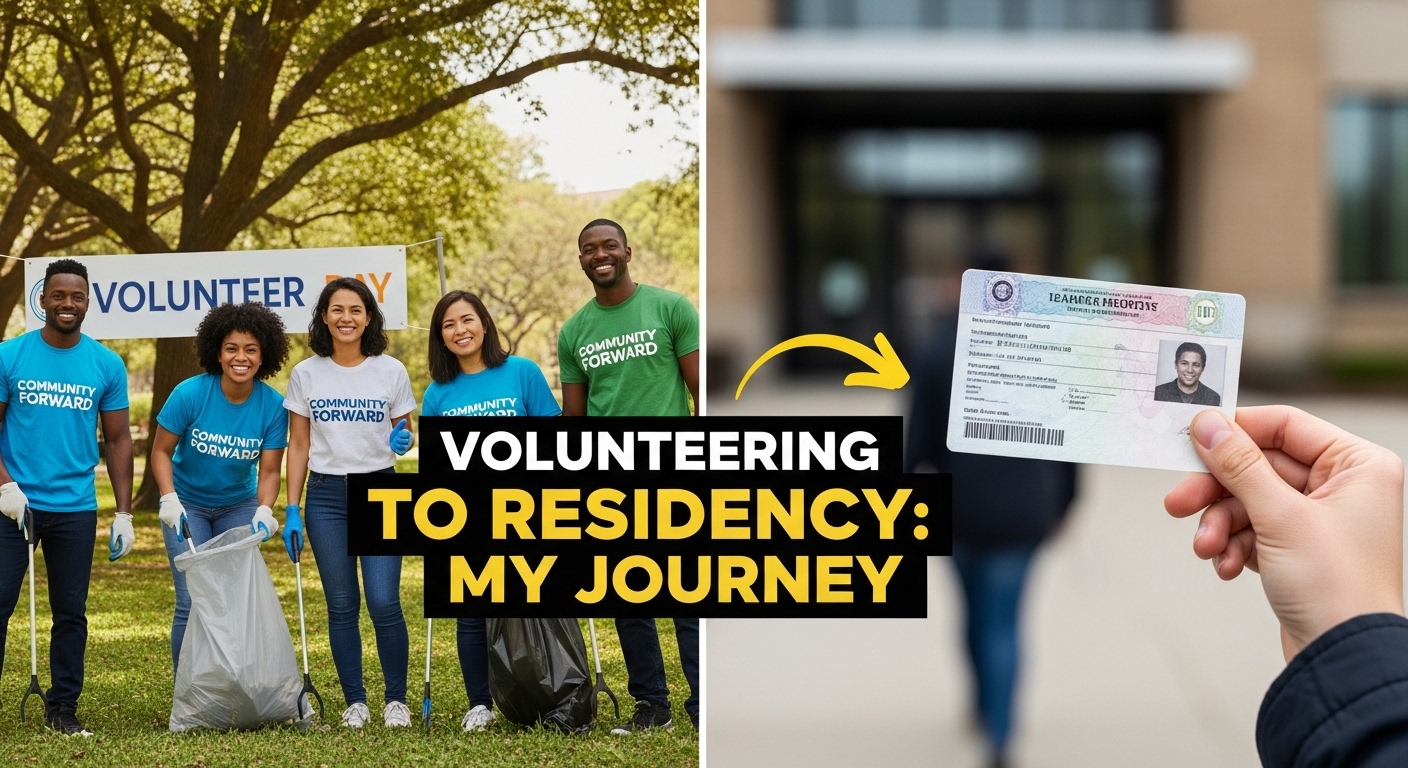
For decades, Europe has been seen as a continent where only degrees, job offers, or large bank balances could unlock residency. But in 2025 and 2026, that belief is quietly breaking down.
Across Europe, countries are experimenting with volunteer-based migration pathways—programs that allow foreigners to enter legally, contribute to society, and later transition into residency, work permits, or long-term visas.
This is not a myth.
It is not illegal.
And Africans, Asians, and Latin Americans are already using it.
Welcome to Volunteer to Visa—one of Europe’s most underrated migration strategies.
🌍 What Does “Volunteer to Visa” Really Mean?
“Volunteer to Visa” refers to legal programs where individuals enter Europe as:
and later transition to:
These programs are especially popular in small towns and rural regions, where governments urgently need help in:
In many cases, volunteer service counts toward legal stay, integration, and residency eligibility.
🔑 Why Europe Is Opening Volunteer-Based Pathways
✔ Aging populations
✔ Rural depopulation
✔ Shortage of social workers
✔ Budget pressure on municipalities
✔ Refugee integration challenges
✔ Climate and environmental programs
Instead of importing only highly paid professionals, Europe now welcomes motivated contributors, even without degrees.
🧭 Who Should Consider Volunteer-to-Visa Pathways?
This route is ideal if you:
It’s especially popular among:
🇪🇺 European Countries Where Volunteering Can Lead to Residency
Below are real countries where volunteering has already helped migrants transition to legal stay.
🇩🇪 Germany — Volunteer Service to Work Visa
Germany is Europe’s biggest user of volunteer migration.
Popular Programs:
Fields:
Why it works:
👉 Many Africans convert FSJ → Ausbildung → Permanent Residency.
🇫🇷 France — Civic Service to Residency
France offers Service Civique, a state-backed volunteer program.
Fields:
Benefits:
After completion, volunteers can:
🇮🇹 Italy — Volunteering + Seasonal Work Pathway
Italy allows volunteering through:
Volunteers often transition to:
Italy’s southern regions actively encourage this pathway.
🇪🇸 Spain — Volunteer Stay to Residence Permit
Spain allows volunteers to stay legally under Non-Lucrative or Volunteer visas.
Transition options:
Many migrants use volunteering to:
🇵🇹 Portugal — NGO Volunteering to Legal Stay
Portugal is one of the most migration-friendly countries in Europe.
Volunteering helps migrants:
Portugal’s regularization programs favor migrants with community ties.
🇫🇮 Finland — Volunteer & Integration Route
Finland supports volunteer placements for:
Volunteers often move into:
Small Finnish towns are especially welcoming.
🇪🇪 Estonia — Volunteer + Digital Residency
Estonia allows volunteers in:
Many volunteers later:
🛠 Volunteer Fields Most Likely to Lead to Residency
🟩 Elderly Care & Social Services
🟦 Education & Youth Work
🟧 Environment & Climate Projects
🟥 Refugee & Integration Support
🟨 Religious & Faith-Based Volunteering
🛂 Visa Types Used for Volunteer Entry
Depending on the country:
These are legal residence permits, not tourist visas.
🏠 What Volunteers Usually Receive
This makes volunteering affordable even without savings.
🧠 How Volunteering Helps You Get Residency
Volunteering helps by:
✔ Building local references
✔ Creating employer connections
✔ Showing integration
✔ Learning the language
✔ Understanding local systems
✔ Meeting residency requirements
Authorities prefer applicants who:
Volunteering checks all boxes.
⚠️ Important Truths (No Sugarcoating)
But it is legal, realistic, and achievable.
🔍 Where to Find Legit Volunteer-to-Visa Opportunities
Europe-wide:
Country-specific:
Always verify visa eligibility.
🧳 Step-by-Step Strategy: Volunteer to Visa
1️⃣ Choose a country
2️⃣ Apply for official volunteer programs
3️⃣ Secure legal entry visa
4️⃣ Complete volunteer service
5️⃣ Build language skills
6️⃣ Network locally
7️⃣ Secure job offer or training
8️⃣ Convert visa to residence permit
9️⃣ Apply for PR after eligibility
This strategy works quietly but effectively.
Europe Needs You More – Official Voluntary Links
🌱 Real-Life Example (Common Path)
A young African volunteer:
This path has been used by thousands.
🚀 Final Thoughts: The Path Few Are Talking About
Volunteer-to-Visa pathways are not shortcuts.
They are smart entry points.
They favor:
In 2025/2026, Europe wants people who add value, not just degrees.
If traditional visas keep rejecting you, this may be your opening.
Europe doesn’t only need workers.
It needs helpers, builders, and contributors.
And that is where your opportunity begins.